How to Remove Mould from Walls, Bathrooms & Ceilings: A Tamworth Cleaner's Guide
There's a particular smell that tells you mould has moved in before you've even spotted it. Musty, slightly damp, the kind that lingers in bathrooms and bedroom corners long after the windows have been opened. By the time black or green specks appear on a wall or ceiling, the spores have usually been multiplying for weeks. Humid summers followed by cold, damp winters create ideal conditions for mould.
Whether it's a bathroom that never quite dries out or a ceiling patch that keeps returning, knowing what actually kills mould, when black mould becomes a genuine health concern and when it's worth calling in cleaners in Tamworth rather than tackling it alone makes the difference between a temporary fix and a lasting one.
Why Mould Takes Hold in Local Homes
Mould needs three things to thrive: moisture, warmth and a food source, which unfortunately includes paint, plasterboard, grout and timber. Several local factors make homes especially prone to it:
- Humid summers followed by cooler, damp winters create year-round condensation.
- Older homes often have limited subfloor and roof ventilation.
- Bathrooms without exhaust fans, or with fans vented into the roof cavity instead of outside, trap moisture rather than remove it.
- Furniture pushed against external walls restricts airflow and encourages damp patches.
Removing visible mould only solves half the problem. If the moisture source isn't addressed, it tends to return within a season.
Identifying Black Mould & When It's a Health Concern
Not all mould looks the same. The colour often hints at the type and moisture source behind it. Black clusters are usually Cladosporium or Stachybotrys, both linked to persistent dampness. Fuzzy green or white patches are typically Aspergillus or Penicillium, often on timber and soft furnishings, while pink or orange slime in bathrooms is usually a bacterial growth rather than true mould, treated in a similar way.
Black mould becomes a health concern when it covers a large area, keeps returning despite cleaning or affects household members with asthma, allergies or compromised immune systems. Using the wrong product on a porous surface is one of the
eight common cleaning mistakes that can lead to property damage, so it pays to know what you're working with before reaching for a scrubbing brush.
Safety First: Gloves, Ventilation & Bleach Dos & Don'ts
Mould spores become airborne once disturbed, so a few precautions go a long way toward protecting your health.
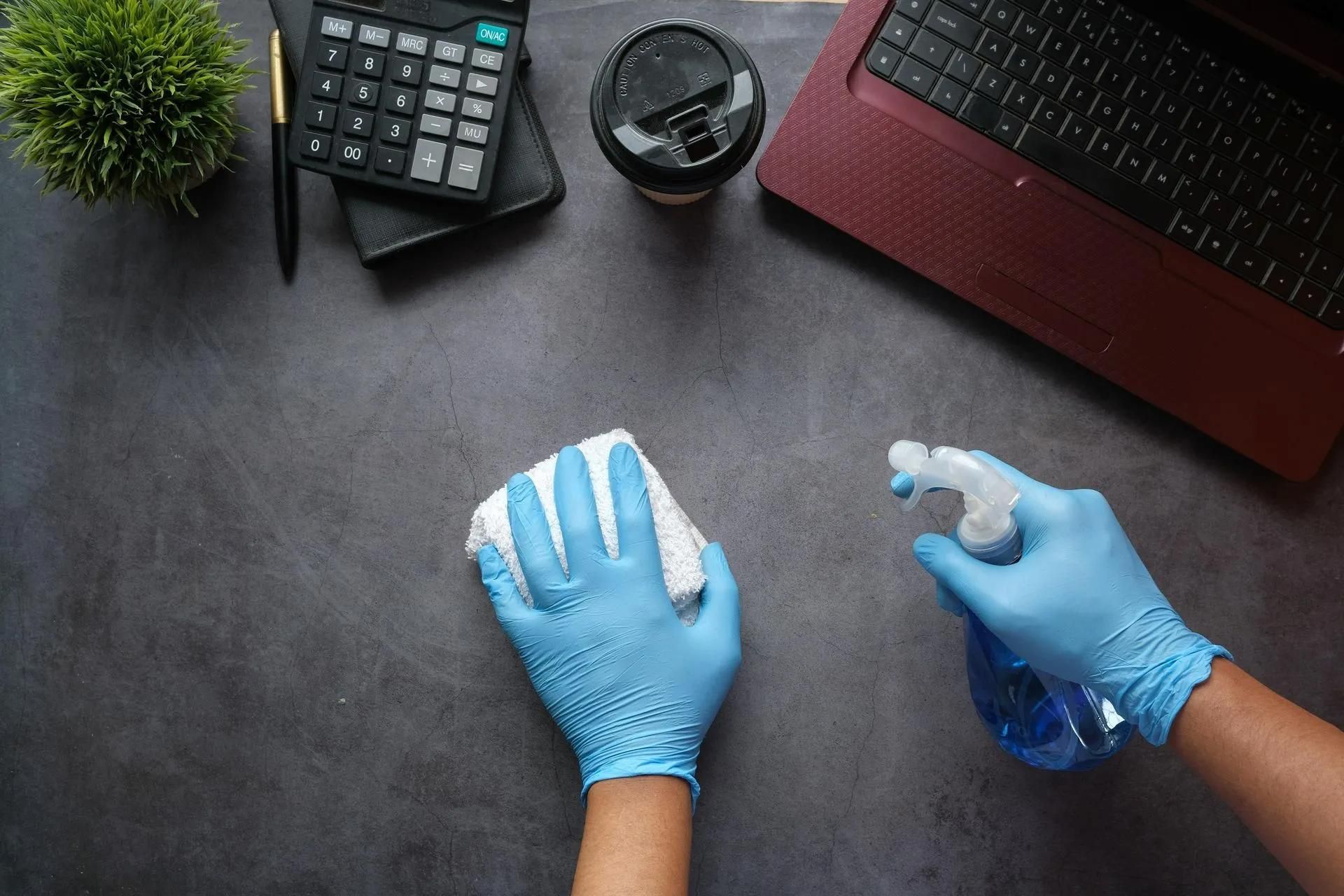
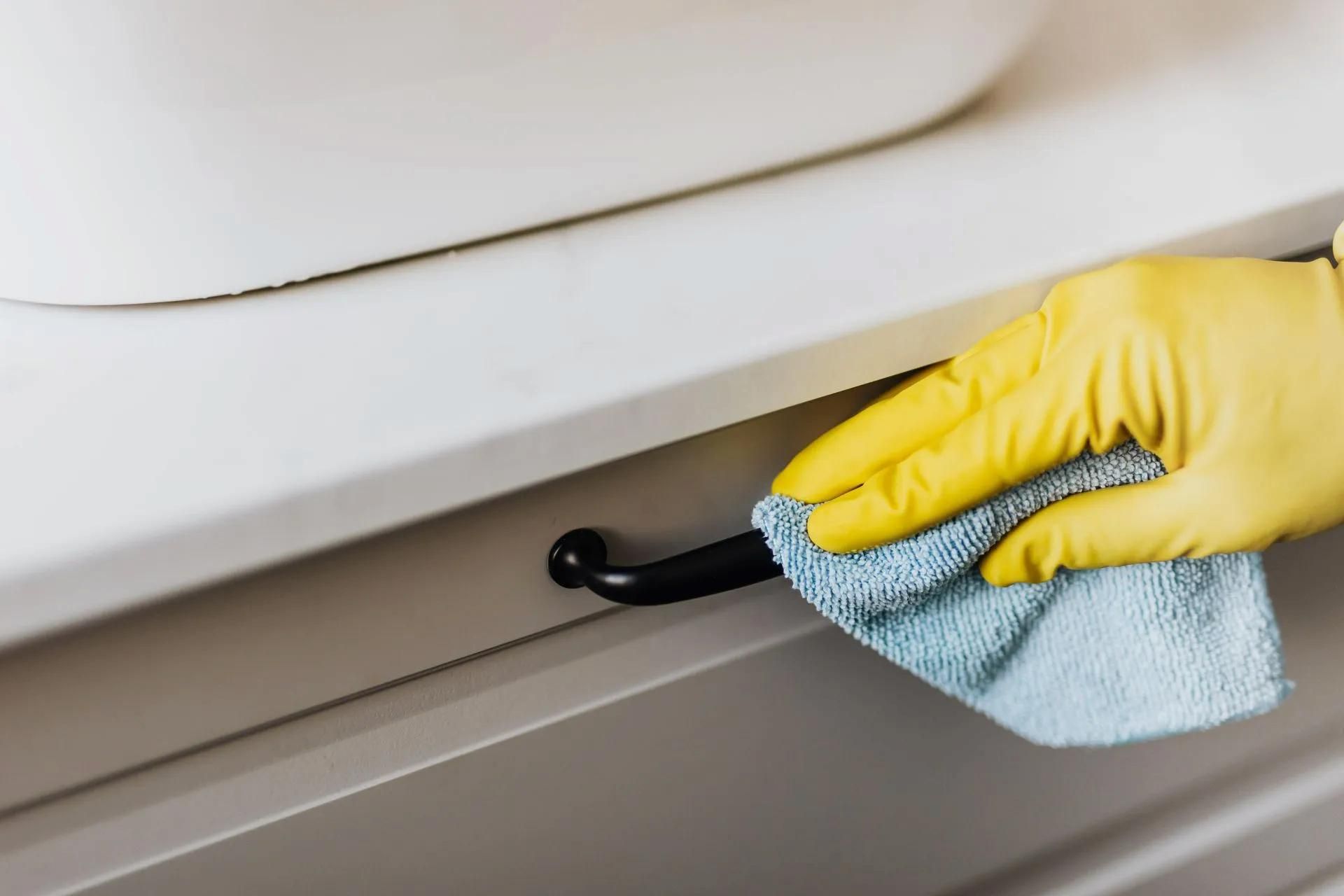
- Wear rubber gloves and, ideally, a P2-rated mask and ventilate the room during and after cleaning.
- Never mix bleach with ammonia-based cleaners, as the combination produces harmful fumes.
- Bleach suits non-porous surfaces like tiles and sealed grout but isn't recommended on porous materials such as plaster or timber, where it can mask surface mould without addressing what's underneath.
If anyone in the household has respiratory issues, it's worth having someone else handle the job, or arranging for
professional cleaners in Tamworth to manage it instead.
How to Remove Mould from Walls
Painted plasterboard is porous, so mould can take hold in the paint film and, in more advanced cases, the plaster underneath.
- For surface mould, a solution of warm water and white vinegar (roughly one part vinegar to four parts water) applied with a soft cloth is effective and gentle on paint.
- Stubborn staining may need a diluted bleach solution, no more than one part bleach to ten parts water, tested on a hidden area first.
- Scrub gently in circular motions rather than hard, which can spread spores rather than lift them.
- Dry the wall thoroughly with a towel or fan afterwards to prevent immediate regrowth.
If the paint is bubbling or the plaster feels soft, the mould has likely gone beyond the surface and that section may need replacing.
How to Remove Mould from Silicone & Bathroom Surfaces
Bathroom mould removal advice is largely sought after because grout and silicone sealant are both absorbent and constantly exposed to moisture.
- A paste of bicarbonate of soda and water, left on grout lines for ten to fifteen minutes before scrubbing with an old toothbrush, lifts most surface mould.
- Silicone that has gone black is trickier. A cotton wool strip soaked in neat bleach & pressed along it for a few hours can lift light staining, but if mould has worked into the silicone itself, removing and re-applying it is usually the only permanent fix.
- Shower curtains and bath mats should be washed regularly, as they hold moisture and often cause recurring mould.
How to Remove Mould from Ceiling Surfaces
Ceiling mould often points to a moisture source above the surface, such as a roof leak, poor insulation or an exhaust fan venting into the roof cavity instead of outside.
- Smaller patches can be treated with the same vinegar or diluted bleach solutions used on walls, applied with a long-handled mop to avoid overreaching on a ladder.
- Work to the side of the affected area rather than directly underneath, to avoid drips onto your face.
- Persistent ceiling mould often signals a roof leak or inadequate ventilation rather than a simple cleaning issue, worth investigating before repainting.
Ceilings are generally the trickiest area to manage safely without proper equipment, which is one reason many households opt for a professional clean here.
How to Get Rid of Mould on Walls Permanently
Cleaning mould without addressing ventilation and moisture tends to be a short-term fix. A few ongoing habits make a real difference.
- Run exhaust fans during and for at least twenty minutes after showers or baths.
- Wipe down shower screens and tiles after use.
- Use a dehumidifier in rooms prone to condensation, particularly through the cooler months.
- Check window seals, roof flashing and pipework periodically for early signs of leaks.
Consistency matters more than intensity. A quick wipe-down after each shower does more for prevention than an occasional deep clean.
Mould in Carpets & Fabrics
Mould isn't limited to hard surfaces. Carpet underlay, curtains and upholstery can hold onto spores and moisture long after the surface looks dry, particularly after a flood or extended humidity. Mould trapped deep in carpet fibres often needs professional
carpet cleaning rather than a surface wipe-down, since household vacuums typically can't reach moisture sitting in the underlay.
Mould Removal Cost: What to Expect
Mould removal cost varies depending on the extent of the growth and surfaces involved. A small, isolated patch on a tiled bathroom wall is generally quick and inexpensive to treat, while larger outbreaks across ceilings, carpet or multiple rooms take more time, equipment and sometimes material replacement, such as resealing silicone or replacing plasterboard. Getting an assessment before work begins is the most reliable way to understand what a job will involve.
When to Call a Professional Cleaner
DIY methods handle most small, surface-level mould problems well. There's a point, though, where it makes more sense to bring in help:
- Large or recurring mould outbreaks beyond a small, isolated patch.
- Mould affecting ceilings, where access and safety are harder to manage.
- Households with young children, elderly residents or anyone with respiratory conditions.
- Mould discovered while preparing a rental for inspection, since it's a common reason bonds are withheld.
For severe or recurring mould,
professional cleaners in Tamworth can treat the affected areas thoroughly, identify whether a deeper moisture issue is involved and advise on preventing regrowth.
Ready for a Mould-Free Home?
Mould is one of the more persistent issues we see across Tamworth and the New England region, particularly in older homes with limited ventilation or after a stretch of humid weather. If you've tried the steps above and the mould keeps coming back, get in touch with our team at our website to discuss what's involved.